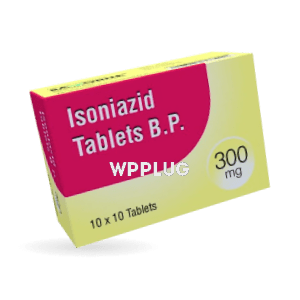
| Product dosage: 300mg | |||
|---|---|---|---|
| Package (num) | Per pill | Price | Buy |
| 90 | $0.50 | $45.13 (0%) | 🛒 Add to cart |
| 120 | $0.46 | $60.17 $55.16 (8%) | 🛒 Add to cart |
| 180 | $0.42 | $90.26 $75.22 (17%) | 🛒 Add to cart |
| 270 | $0.39 | $135.39 $106.31 (21%) | 🛒 Add to cart |
| 360 | $0.38
Best per pill | $180.52 $136.39 (24%) | 🛒 Add to cart |
Synonyms
| |||
More info:
Anabuse: The Clinically Proven Alcohol Deterrent Therapy
Anabuse (disulfiram) is a prescription medication designed to support the treatment of chronic alcoholism by producing an acute sensitivity to ethanol. When taken as directed, it acts as a powerful psychological and physiological deterrent against alcohol consumption, helping individuals maintain sobriety as part of a comprehensive management plan that includes counseling and social support. Its mechanism is well-established, creating an unpleasant reaction if alcohol is ingested, thereby reinforcing commitment to abstinence.
Antabuse Generic: Clinically Proven Alcohol Dependence Management
Antabuse generic, containing the active ingredient disulfiram, is a cornerstone pharmacological intervention in the management of chronic alcohol dependence. It functions as an aversive agent, creating a highly unpleasant physiological reaction upon alcohol consumption, thereby supporting patient commitment to abstinence. This medication is prescribed as part of a comprehensive treatment plan that includes counseling and psychosocial support. Its efficacy is well-documented in clinical literature, offering a structured deterrent for individuals striving for long-term sobriety.
Antabuse Side Effects: Managing Disulfiram Therapy Safely
Antabuse (disulfiram) is a prescription medication used as an aversive therapy in the management of chronic alcoholism. When taken as directed, it creates a physiological response to alcohol consumption that serves as a powerful deterrent. Understanding the side effects, precautions, and proper usage of Antabuse is essential for both patients and healthcare providers to ensure safe and effective treatment outcomes. This comprehensive guide provides detailed medical information about Antabuse therapy, its mechanisms, and important safety considerations.
Antabuse: A Clinically Proven Deterrent for Alcohol Dependence
Antabuse (disulfiram) is a prescription medication used as an adjunct in the management of chronic alcohol dependence. It supports abstinence by producing a highly unpleasant physiological reaction if alcohol is consumed, thereby creating a powerful psychological deterrent. This medication is intended for use within a comprehensive treatment program that includes counseling and support. Proper medical supervision is essential to ensure safe and effective use. Features Contains disulfiram as the active pharmaceutical ingredient Available in 250 mg and 500 mg oral tablets Works by inhibiting the enzyme aldehyde dehydrogenase Causes accumulation of acetaldehyde if alcohol is consumed Requires daily administration to maintain effect Prescription-only medication requiring medical oversight Benefits Creates a strong psychological barrier against alcohol consumption Supports long-term abstinence when combined with behavioral therapy Provides a concrete mechanism to resist cravings and impulses Helps establish new patterns of behavior around alcohol use Reduces relapse rates when used as part of comprehensive treatment Empowers patients with a tangible tool for recovery management Common use Antabuse is primarily prescribed for individuals with diagnosed alcohol use disorder who are committed to maintaining abstinence.
Antabuse: A Clinically Proven Deterrent for Alcohol Use Disorder
Antabuse (disulfiram) represents a cornerstone of pharmacological aversion therapy in the treatment of chronic alcohol use disorder (AUD). It is not a cure for alcoholism, nor does it diminish the craving for alcohol. Instead, it acts as a powerful psychological and physiological deterrent by producing a highly unpleasant reaction when alcohol is consumed. This mechanism supports a patient’s commitment to abstinence by creating a significant negative reinforcement, allowing them to focus on the behavioral and psychosocial aspects of recovery within a comprehensive treatment plan.
Disulfiram Reaction: A Critical Safety Mechanism for Alcohol Dependence
The disulfiram reaction is a clinically significant, intentionally provoked adverse event resulting from the interaction between disulfiram medication and ethanol. This reaction is the cornerstone of the pharmacological deterrent therapy for chronic alcohol use disorder, designed to create a powerful psychological aversion to alcohol consumption. Its efficacy relies on a well-understood biochemical mechanism that produces highly unpleasant physical symptoms upon alcohol ingestion, thereby supporting long-term sobriety goals. This product card details the essential medical information surrounding this therapeutic reaction for healthcare professionals managing patients on disulfiram therapy.
Disulfiram: A Clinically Proven Aid for Alcohol Dependence Management
Disulfiram is a prescription medication used as an adjunct in the comprehensive management of chronic alcohol dependence. It supports abstinence by producing a highly unpleasant physiological reaction if alcohol is consumed, thereby acting as a deterrent. This pharmacological intervention is intended for use within a supervised treatment program that includes counseling and psychosocial support. Proper patient selection, education, and monitoring are essential for safe and effective use. Features Active ingredient: Disulfiram Available in 250 mg and 500 mg oral tablets Inhibits the enzyme aldehyde dehydrogenase Requires a period of alcohol abstinence prior to initiation Prescription-only medication Benefits Supports commitment to sustained alcohol abstinence by introducing a significant deterrent effect.
Disulfiram: A Clinically Proven Deterrent for Alcohol Dependence
Disulfiram is a prescription medication used as an aversive agent in the management of chronic alcohol dependence. It functions by inhibiting the enzyme acetaldehyde dehydrogenase, leading to an accumulation of acetaldehyde upon alcohol consumption. This results in a highly unpleasant physiological reaction, which serves as a powerful psychological deterrent against drinking. Proper medical supervision is essential for safe and effective use, ensuring patient education and adherence to treatment protocols. This medication is part of a comprehensive treatment plan that includes counseling and support.
Disulfiram: A Proven Pharmacological Deterrent for Alcohol Dependence
Disulfiram is an established alcohol-aversion therapy medication, prescribed as part of a comprehensive treatment plan for chronic alcohol use disorder. Its unique mechanism of action provides a powerful psychological and physiological deterrent to alcohol consumption. By inhibiting the enzyme acetaldehyde dehydrogenase, it induces an acutely unpleasant reaction if alcohol is ingested, thereby supporting the motivation to maintain abstinence. This medication is intended for use under strict medical supervision within a structured support program that includes counseling and psychosocial interventions.